The Clever Method Plumbers Use to Instantly Stop a Dripping Faucet At Home
A dripping faucet can be more than just an annoyance; it’s a constant reminder of wasted water, increased utility bills, and the potential for greater plumbing issues down the line. That persistent drip, drip, drip can disrupt your peace and quiet, and often, homeowners feel helpless to stop it without calling a professional. However, many common faucet drips can be resolved with a clever method that plumbers often use themselves at home for quick, effective results.
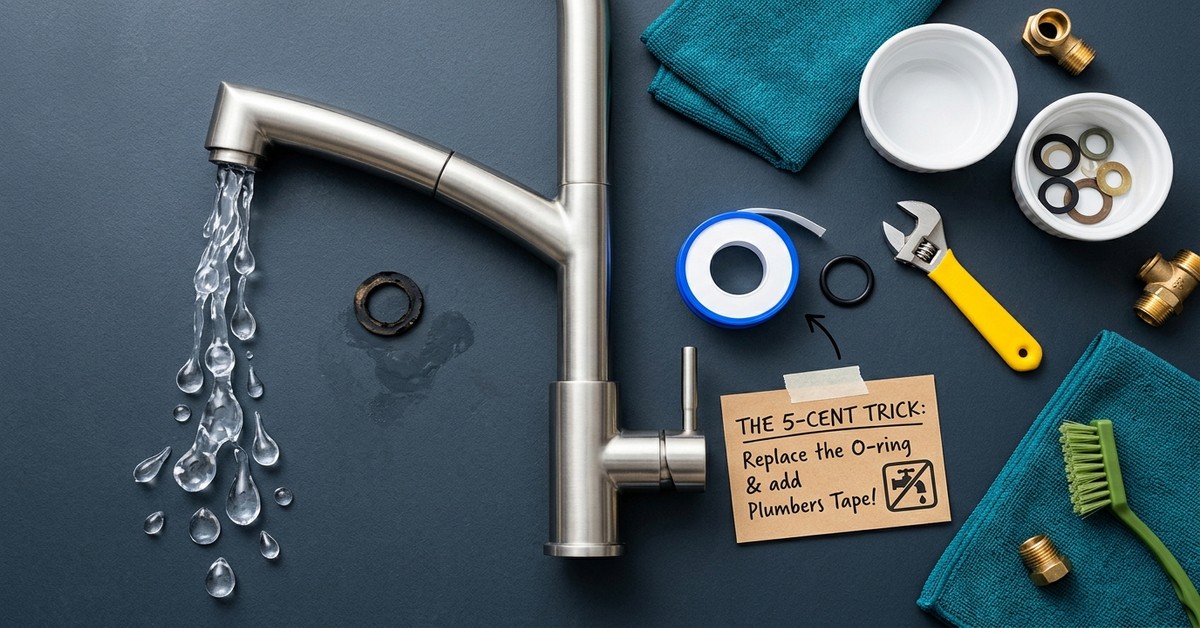
The core of this approach lies in understanding the most common culprit behind a dripping faucet: a worn-out washer or O-ring. Over time, the rubber or silicone components inside your faucet can degrade, crack, or lose their elasticity, creating small gaps that allow water to escape. While the thought of disassembling a faucet might seem daunting, this particular method focuses on a systematic, step-by-step process that demystifies the repair.
A dripping faucet can be more than just an annoyance; it’s a constant reminder of wasted water, increased utility bills, and the potential for greater plumbing issues down the line.
Understanding the Plumber's Method
This isn't about a magic wand; it's about a systematic approach to identifying and replacing the faulty component. Plumbers know that most standard compression, cartridge, or ball faucets operate on similar principles. According to a plumbing guide from WikiHow, the vast majority of faucet drips can be traced back to these internal seals. The "clever method" is less a trick and more a practiced sequence of operations that allows for a swift and precise repair, often without needing specialized tools beyond what most homeowners might already possess.
Before you begin, ensure you have a few basic tools: a screwdriver (flathead and Phillips), an adjustable wrench, a utility knife (optional), and crucially, replacement washers or O-rings specific to your faucet type. It's always a good idea to shut off the water supply to the faucet first, usually via the shut-off valves under the sink. Turn on the faucet to drain any remaining water from the lines.
Step-by-Step Guide to a Drip-Free Faucet
- Prepare Your Workspace: Place a towel over the drain to prevent small parts from falling.
- Remove Decorative Covers: For many faucets, you'll need to pry off a decorative cap on the handle to reveal a screw.
- Unscrew the Handle: Use your screwdriver to remove the screw holding the handle in place, then lift off the handle.
- Access the Cartridge/Stem: Depending on your faucet type, you might see a packing nut, a retaining nut, or a cartridge. Use your adjustable wrench to carefully loosen and remove this component.
- Locate Worn Components: Once the cartridge or stem is out, you'll typically find rubber washers, springs, or O-rings. Inspect them closely for cracks, wear, or hardening. This is often where the problem lies.
- Replace Parts: Remove the old, worn parts and replace them with new, identical ones. Many hardware stores offer universal faucet repair kits, but for a perfect fit, taking the old parts to the store can be helpful. Good Housekeeping often recommends ensuring you match the size and material precisely for the best seal.
- Reassemble the Faucet: Carefully put everything back together in reverse order. Tighten nuts and screws firmly but avoid over-tightening, which can damage new components.
- Restore Water Supply: Slowly turn the water supply back on and check for drips.
This systematic approach, which we can call 'The Clever Method Plumbers Use At Home To Instantly Stop A Dripping Faucet', empowers homeowners to tackle a common plumbing issue with confidence. Not only does it save money on professional service calls, but it also provides a deep understanding of your home's plumbing.
Regular maintenance, such as not over-tightening faucet handles and addressing drips promptly, can extend the life of your faucet components. By applying this trusted method, you can enjoy a quiet, water-efficient home without the constant reminder of a dripping faucet.